How to Launch Your Own Production in China

Updated: 15.01.2026
To put it simply: China is not “complicated.” It becomes complicated when you lack standards and evidence-based control.
When standards are in place, manufacturing in China becomes a regular, manageable project:
math → specifications → factory → reference sample → contract → QC checkpoints → logistics → batch repeatability.
LET’S EVALUATE THE PRODUCTION PROJECT
Check your project before launch. We will evaluate the unit economics and production risks in China – and advise if it’s worth proceeding.
Article Contents
What “Own Production in China” Means: White Label, OEM, ODM

To speak the same language:
White Label / Private Label: you take a ready-made factory product and apply your own brand/label/packaging. Fast, but control is limited.
OEM production in China: the product is made based on the factory’s standard, but according to your requirements (materials, tolerances, components, packaging, tests, appearance).
ODM production in China: the product is developed specifically for you (R&D, 3D, tooling/molds). Takes longer and costs more, but offers stronger differentiation and protection from price competition.
OEM production in China: the product is made based on the factory’s standard, but according to your requirements (materials, tolerances, components, packaging, tests, appearance).
ODM production in China: the product is developed specifically for you (R&D, 3D, tooling/molds). Takes longer and costs more, but offers stronger differentiation and protection from price competition.
If your project involves branded production (white label, OEM, or ODM), check out our service: OEM/ODM Product Manufacturing in China
ECB Mini Case Studies: What OEM/White Label Looks Like in Practice
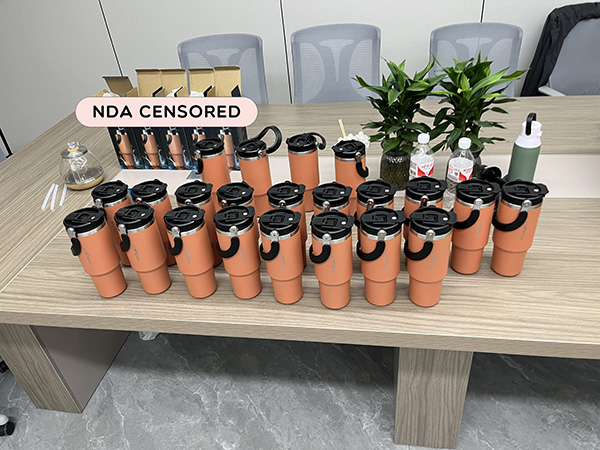
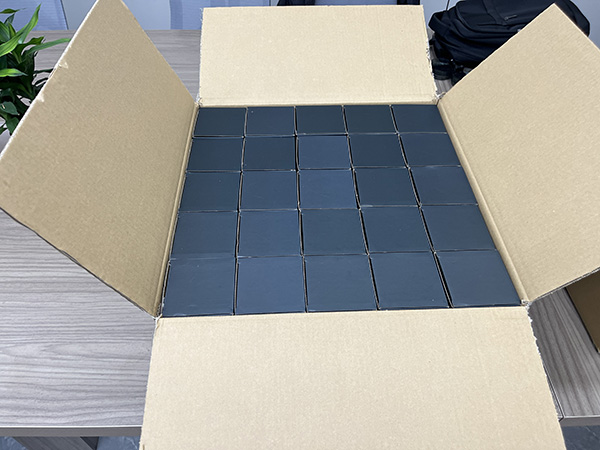
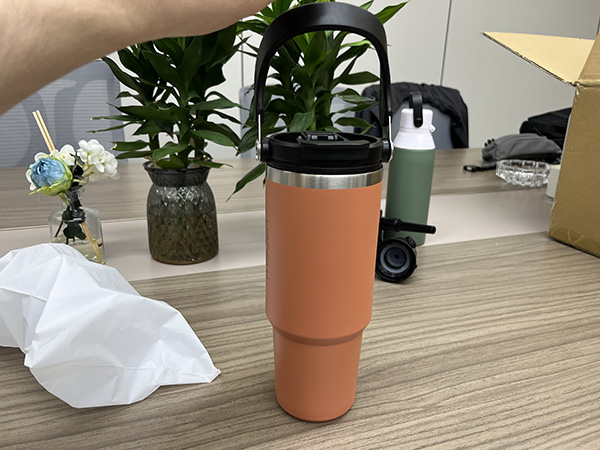
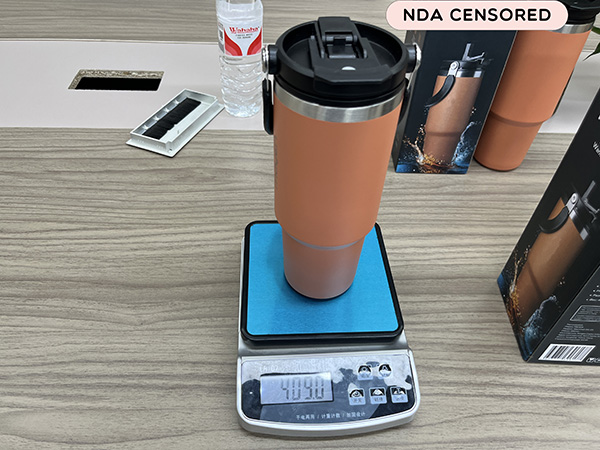
Case 1 (OEM / White Label): Thermal Mug
What was done:
Result:
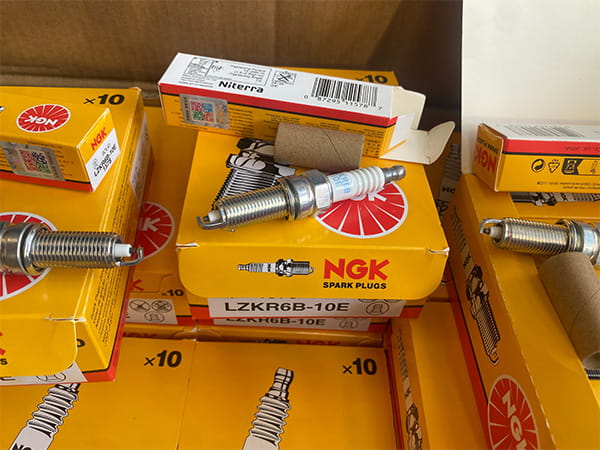
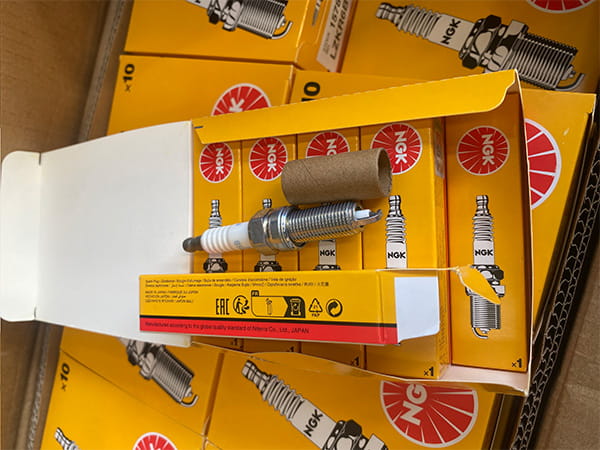
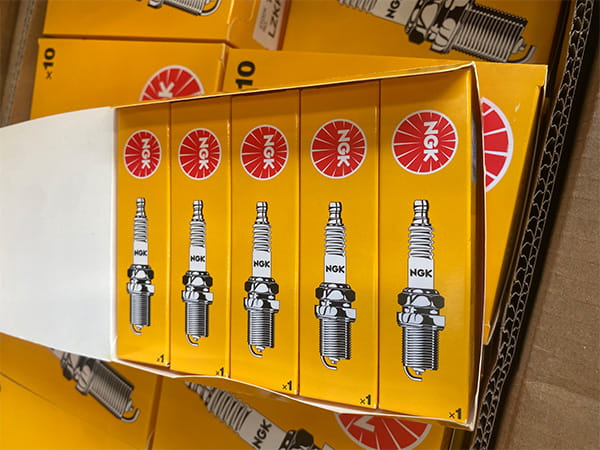
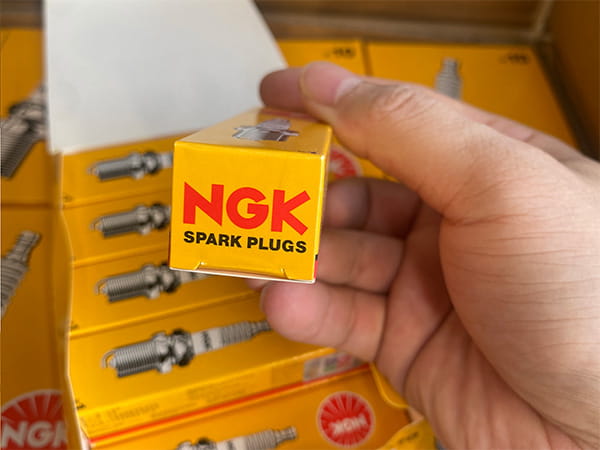
Case 2 (OEM): Engine Spark Plugs
The client's objective:
What was done:
Result:
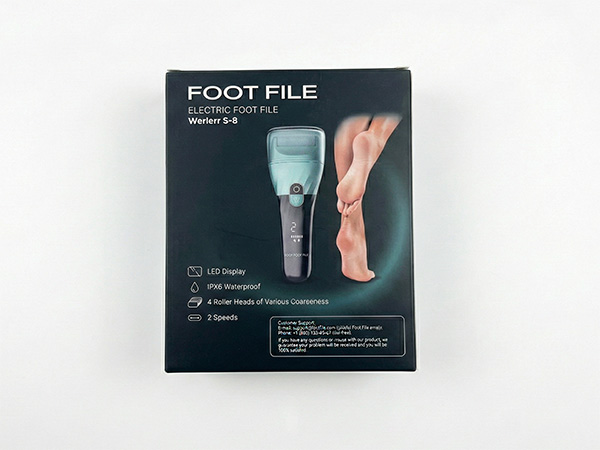
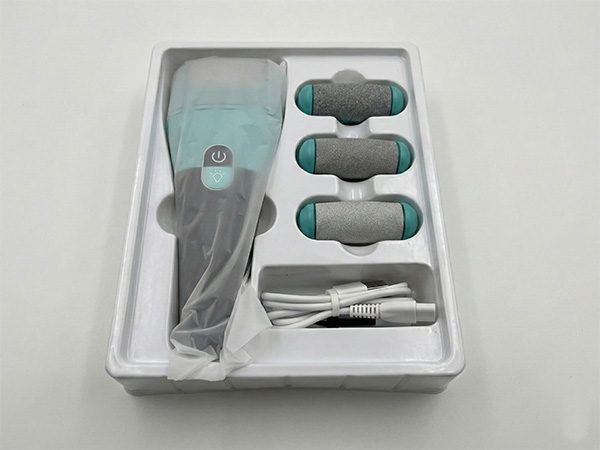
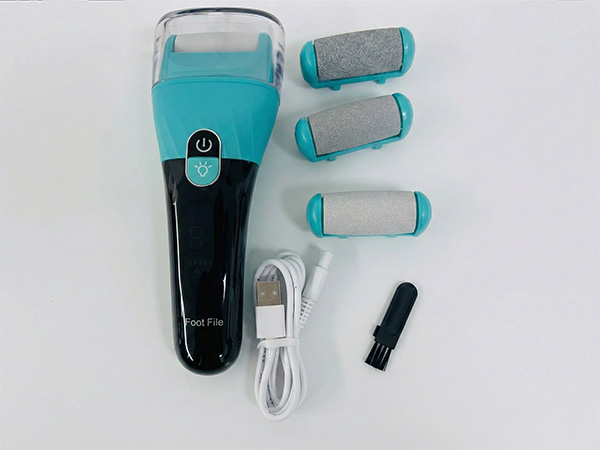
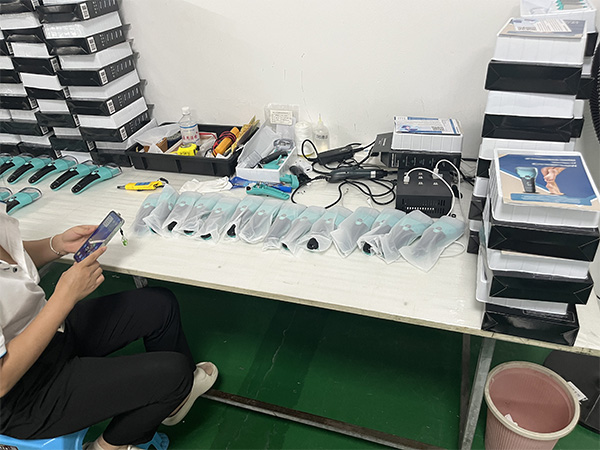
Case 3 (OEM): Foot Roller File
The client's objective:
What was done:
Result:
Step-by-Step Algorithm for Launching Production in China (for B2B)
Below are the stages that turn an “idea” into a predictable delivery.
Step 0. Project Evaluation Before Factory Payment: Unit Economics + 3-5 Quotations + Market Median.
In practice, unit economics are calculated after a detailed study of the project, sourcing, and initial selection of 3–5 factories suitable for the product and project. This is done before the first payment and before launching the batch into serial production.
How we do it in ECB projects:
- We create a shortlist of 3–5 factories (category, experience, reputation, licenses, manufacturer verification).
- We request quotations “in one database”: identical volumes, materials/components, packaging, lead time, Incoterms, payment stages.
- We normalize quotations to a comparable format and calculate the market median (not focusing on the lowest price).
- Next, we calculate unit economics: factory price + packaging/labeling + logistics + fees + defect risks + cost of time (cash flow).
- We draw conclusions about project cost-effectiveness (“go/no-go”) and record adjustments needed before payment.
Rule: If the project only balances at the very lowest price segment, this is not economics. For B2B, the median with a focus on quality and process manageability is more stable.
If you want to delegate this stage: see how we conduct factory and product sourcing in China
How We Evaluate Factories: Factor Rating
To ensure the “median” reflects quality, we compare factories not only by price. Below is our internal evaluation methodology developed over 11 years of experience in the Chinese market.
- Category relevance, not scattering across everything (real experience).
- Manufacturing base and internal processes, not just the office and a 1688 page.
- QC system at production: incoming/in-process/final inspections + reporting.
- Willingness to work to standards: specifications, tolerances, defect criteria, reference sample.
- Transparency regarding materials/components and substitutions.
- Lead times and capacity (seasonality, productivity).
- Packaging and labeling (barcodes, master cartons, completeness).
- Commercial terms without “hidden tails” (no hidden extra charges).
- Communication and decision documentation (approval protocols).
- Contract discipline (attachments, staged payments, responsibilities).

Frienda, I’ll get you the best price!
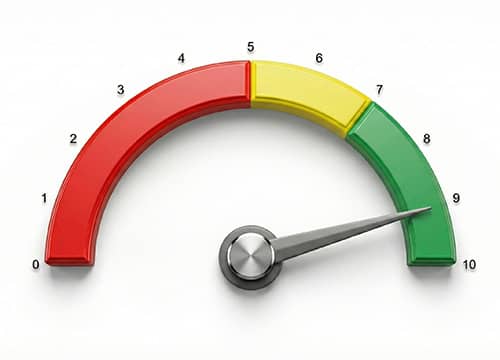
Rating Scale for Factories in China
| Number of Closed Factors | Likelihood of Launch Success | Notes | |
|---|---|---|---|
| A: 8–10 factors | Project can be launched | Almost everything is confirmed: quality and processes are clear, price is “normal” for the market, risks are manageable. | |
| B: 6–7 factors | Possible, but only after corrections | Generally suitable, but there are weak spots. First, we fix corrections — then proceed to samples and payment. | |
| C: <6 factors | Better not to risk | Too much “uncertainty” or based on promises/low price. High chance the sample will be fine, but the batch will arrive different. |
Step 1. Specification for Production in China: Ensuring the Factory Understands You Consistently.
Chinese factories manufacture according to pre-agreed terms, ideally documented and confirmed through correspondence and contract specifications. If it’s not precisely agreed that white color #FFFFFF is exactly Pantone white and not transparent red, the result will be “whatever came out”.
Mini-structure of the specification for OEM/ODM (covers 80% of risks):
- Materials / (BOM - Bill of Materials) - material specification;
- Product dimensions and tolerances;
- Functionality and tests;
- Appearance and references (Pantone color, coating, application size, type of application, logo);
- Product completeness;
- Packaging and labeling (packaging, instructions, barcode, labeling requirements, source files);
- Accept/Reject defect criteria + photo examples of possible defects.
Rule: defect criteria can be collected during sample testing and then specified in the contract specifications. Without a “what counts as defect” section, QC quality checks later turn into “acceptable/not acceptable” disputes.
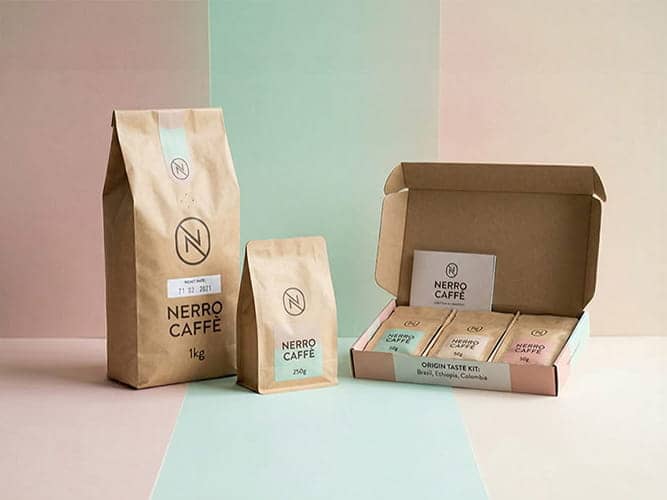
Sample design for the Nerro Caffe brand
If you face difficulties with graphic layouts at the specification stage — no ready logo, packaging, references, or unclear how to properly prepare materials for the factory — this is normal.
Often the “breakdown” is not in production but in preparation: you think about the brand and appearance, but the factory needs specific files, dimensions, software versions, and a clear specification.
Our team can take this part off your hands:
We will help gather references and requirements for appearance, packaging, and labeling.
We will prepare materials in the required formats and software versions demanded by the specific factory (no more “we can’t open the file / please send differently”).
We will adapt the specification and key requirements into Chinese to reduce the risk of “misunderstanding” during approval.
We will prepare materials in the required formats and software versions demanded by the specific factory (no more “we can’t open the file / please send differently”).
We will adapt the specification and key requirements into Chinese to reduce the risk of “misunderstanding” during approval.
To order graphic layouts and references at the application stage, just mention it to your personal manager.
Step 2. NDA Before Sharing Materials: Signed with the Factory and Contractor.
Before sending factories and contractors “everything important” (logo, design, drawings, 3D, composition, packaging, specifications), we recommend documenting confidentiality. This simple step reduces the risk of leaks, unauthorized actions, and disputes over rights.
2 NDAs to arrange in advance:
- NDA with the factory – to protect your materials and limit their use/distribution.
- NDA with the contractor (design/engineering/R&D/content/packaging) – to protect ideas, source files, and rights to the work results.
Key points to include in the NDA with the factory (plain language):
- what is considered confidential (drawings, packaging, BOM, tests, price, suppliers);
- prohibition to disclose to third parties;
- prohibition to use “off-purpose” (e.g., replicate/sell/show);
- term of validity and liability;
- procedure for return/deletion of materials.
Key points to include in the NDA with the contractor:
- confidentiality + prohibition to publish the case without your permission;
- ownership of rights to the results (logo, layouts, source files, 3D, drawings);
- transfer of source files and formats/versions as required;
- restriction on reusing solutions “for another client.”
Important: An NDA is not a substitute for a contract. It is a “first insurance” before samples and payments. Final terms are still secured in the main agreement.
Step 3. Samples and Golden Sample: Testing the Product and Establishing the Standard.
The logic of this step is simple: first, we create a sample, test it, and only then define “what counts as the norm.” This way, you don’t sign a contract “blindly” but rely on a concrete result and measurable defect criteria.
Practical scheme (what really works in B2B):
- pre-sample – validate the idea/geometry/appearance;
- engineering sample – materials/components/assembly/function;
- sample testing according to your scenarios (and weak points: assembly, printing, wear, packaging);
- collect Accept/Reject defect criteria based on the actual sample + photo examples;
- golden sample – final fixation: appearance, functionality, packaging, labeling, defect criteria.
At this step, you get the most important: a golden sample and clear quality rules so that the series is repeatable and QC does not turn into an “emotional dispute.”
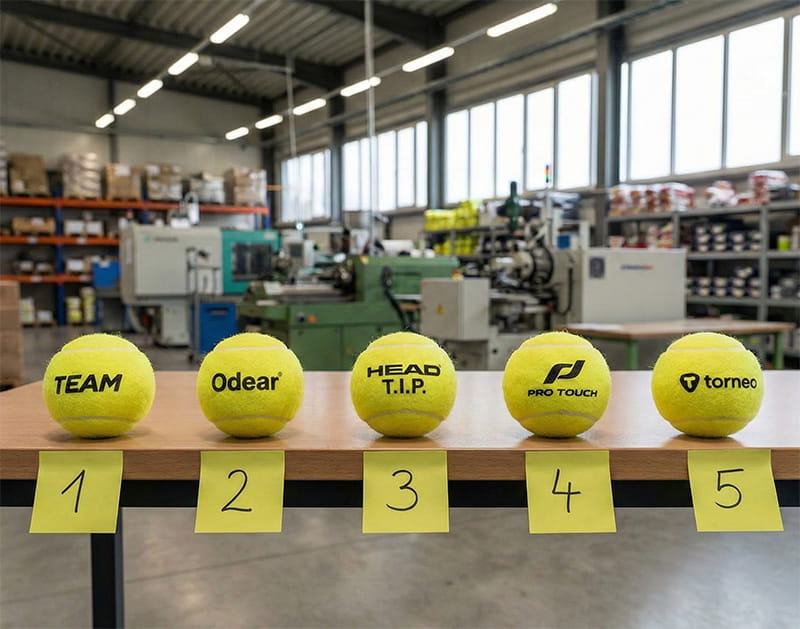
Sample Testing and Selection Process
Step 4. Contract with the Chinese Factory and Payment Stages: Securing the Standard and Rules
Once the sample is tested and the standard is clear, we draft the contract to protect you throughout the series. This is where the standard and defect criteria become annexes to the contract.
What we formalize in the contract:
- Specification + golden sample as the standard;
- Repeated instructions for brand application, packaging printing, manuals, etc.;
Accept/Reject defect criteria and the defect assessment procedure; - Deadlines for stages and approval rules;
- Payment stages and what counts as completion of each stage (readiness/QC report/check result);
- Acceptance, claims, compensations;
- For ODM: molds/tooling — rights, storage, and conditions for suspension.
Within the jurisdiction of China, our company enters into contractual relationships with factories on behalf of clients, which allows any arbitration (if it occurs) to be resolved much faster than under international legal frameworks.
Step 5. Batch Launch and Interim Quality Control (QC): What Exactly We Check and What It’s Called
At this stage, the key is not just to “look at the batch,” but to establish a clear interim control system so the batch consistently matches the golden sample. Below is the terminology.
Key Terms and Abbreviations:
- QC (Quality Control) – quality control. This is not a single “end-of-line” check but a set of control points throughout the production cycle.
- PPI (Pre-Production Inspection) – inspection before batch launch: materials/components, line readiness, approval of the golden sample and checklists.
- DUPRO (During Production Inspection) – in-process inspection: catching issues early while they can still be fixed without “reworking everything.”
- FRI / PSI (Final / Pre-Shipment Inspection) – final inspection before shipment: sampling according to standards, checking appearance/functions/completeness/packaging and labeling.
- AQL (Acceptance Quality Limit) – a sampling inspection method defining how many units are checked and the maximum number of defects allowed for the batch to be accepted or rejected.
- Critical / Major / Minor defects – critical/significant/minor defects. Critical defects usually relate to safety/functionality, Major affect use or appearance, Minor are cosmetic.
- Accept/Reject criteria – “accept/reject” rules: pre-agreed definitions of what counts as a defect and how it is measured.
- Golden sample (reference sample) – the “truth point”: how the batch should look and function (appearance, features, packaging, labeling).
Interim quality controls are crucial for product categories made from diverse materials and components where the risk of defects is higher.
ECB Mini Case Studies: What ODM Looks Like in Practice
Case 1 (ODM): EVA Slippers
The client's objective:
What was done:
Result:
Case 2 (ODM): Vertical Farm
The client's objective:
What was done:
Result:
Case 3 (ODM): Fitness Suits
The client's objective:
What was done:
Result:
Step 6. Logistics Preparation: Packaging, Labeling, and Factory Documents.
For smooth logistics, preparation on the factory side is essential: proper packaging, labeling of transport cartons, and accurate documentation. Without this preparation in advance, the cargo may be “held up” at the terminal, delayed due to paperwork, or shipped in incorrect packaging.
What needs to be prepared at the factory before goods acceptance, audit, and shipment:
- Correct product packaging (protection, inserts, cushioning, moisture protection as needed).
- Labeling of transport cartons (carton marks): name, quantity, weight/dimensions, batches/SKUs, barcodes, handling marks.
- Export license from the factory (if required by product category/export regime).
If the cargo is classified as hazardous – batteries, liquids, chemicals:
- Up-to-date MSDS (Material Safety Data Sheet), specifically for the required type of shipment.
- Current Test Reports (according to product type/category – as required by logistics/customs).
Our team can assist with document preparation: managing communication with client factories, collecting missing files, verifying field accuracy, obtaining the necessary versions and formats, and administering the document package tailored to the chosen route and delivery terms under Incoterms.
Step 7. Batch Acceptance and Inspections: When They Are Needed and What Exactly Is Checked
Batch acceptance and Final / Pre-Shipment Inspection is not just “checking a couple of boxes.” In B2B, this is part of risk management: you either identify issues before shipment or handle them “on your side” at your own cost and time.
Standards and approaches commonly used in inspections*:
Most often, sampling inspection is applied based on AQL logic (sampling and batch acceptance rules). Operational practice uses ISO approaches to sampling inspection and procedural tables (such as ANSI/ASQ Z1.4).
If the batch is small or the product is high-value, 100% inspection is applied (Full Inspection or Piece-by-Piece Inspection).
What is checked during quality inspection:
Usually, the inspection is based on a checklist linked to the specification and the golden sample:
- Appearance (surface, color, printing, defects);
- Functionality/operability (within the tests you defined in advance);
- Completeness (contents, compliance with sets/options);
- Dimensions/critical parameters (where it affects assembly/use);
- Packaging (strength, protection, inserts, compliance with the route);
- Marking of goods and transport boxes (legibility, correct data, barcodes, handling marks)
When pre-shipment inspections are especially important:
- When the cargo is sent to the transport company’s terminal: it is important that the packaging is suitable for handling, storage, and transshipment.
- When palletizing or wooden framing is required: this affects cargo safety and whether it will be accepted at the terminal.
- When the goods are fragile/expensive/have critical appearance: control of packaging and marking is mandatory.
When Loading Check is needed:
If the cargo is shipped by container or loaded onto a truck train, correct loading scheme and securing are important (to prevent collapses, damage, shifting, water/condensate, etc.).
Loading control helps ensure that:
- the cargo is loaded according to the scheme (weight, center of gravity, safe gaps);
- packaging/pallets/fastenings correspond to the route;
- the number of packages matches the documents;
- seals/container condition are recorded if necessary.
Step 7 - Inspection. It is crucial to check the batch by AQL and checklist before shipment: fixing errors after dispatch costs many times more.
Types of Inspections in China

Incorrect container loading scheme
Step 8. Logistics and Customs Clearance: Correct Documents, Incoterms, and Goods Acceptance by the Client
After production and inspections, the stage begins where money can easily be lost: export customs, transportation, import clearance, and proper acceptance of goods by the final recipient.
Export from China and Documents According to Incoterms
At this stage, it is crucial that documents and delivery terms are prepared according to the Incoterms and delivery format required by your business. Errors in documents or terms lead to delays, additional costs, penalties, and sometimes the inability to quickly defend your position in disputes.
Goods Acceptance by the Client: Proper Documentation
When the cargo arrives, it is important not to accept it “automatically.” If there are defects, damaged packaging, or shortages, these must be properly documented.
What is important to do during acceptance:
- inspection of packaging and labeling, verification of the number of packages;
- photo/video documentation of the cargo condition and problem areas;
- recording discrepancies (disagreement protocol/report – in a format suitable for your delivery channel);
- distinguishing between “manufacturing defect” vs “logistics damage” (this affects who compensates).
Cargo insurance in transit is a mandatory option, especially if the goods are expensive, fragile, seasonal, or have a long route. Insurance helps avoid “shifting” the entire risk onto your margin.
Conclusions from the Author and the Easy China Business Team

In 2026, the strategic advantage in manufacturing in China goes not to those companies that simply “found a factory the fastest” or got the lowest price.
True market leaders are those who legally establish strict quality standards and areas of responsibility in contracts even before production begins.
Winners are those who build systematic control of the product and its packaging based on clear, measurable criteria, prepare a flawless logistics documentation package in advance, and organize cargo acceptance with detailed recording of all stages.
Thanks to this comprehensive approach, product quality becomes consistently repeatable from batch to batch, and commercial margins remain reliably protected from unforeseen costs and claims.
If you face difficulties or want to organize contract manufacturing in China without errors and with predictable results, contact Easy China Business: we will take on factory selection and verification, preparation of specifications and files, samples, contracts, quality control, documentation, and administration of the entire process through to delivery.
💡 Useful services
You may also be interested in